School Backpack with Books and Supplies: A Visual and Practical Guide to Academic Essentials
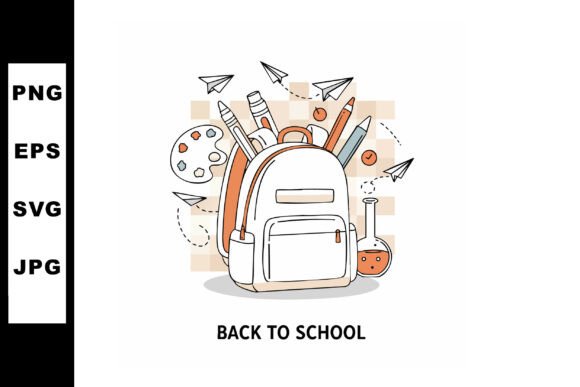
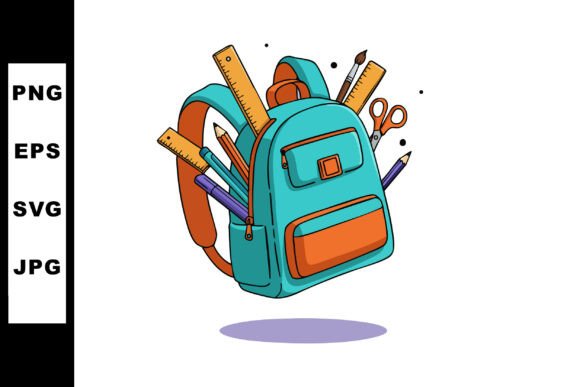
The concept of a School Backpack with Books and Supplies transcends the mere utility of carrying items from home to classroom. It represents a curated ecosystem of learning, where physical tools meet organizational strategy. In recent years, this visual motif has evolved into a striking graphic representation often seen in educational marketing and design. Imagine a backpack staged against a soft pastel backdrop, seemingly brimming with essential school supplies that magically levitate above it. From notebooks to pencils, and a stack of books, each element undeniably symbolizes the pursuit of knowledge. This graphic perfectly captures the essence of academic life draped in vibrant hues and artful design. However, beyond the aesthetic appeal lies a practical reality that parents, students, and educators must navigate when selecting the right gear.
Understanding what constitutes an effective School Backpack with Books and Supplies setup requires looking past the surface level. It involves evaluating how these components interact to support daily routines, protect valuable resources, and facilitate efficient learning. Whether you are outfitting a high school student for a rigorous curriculum or organizing materials for a returning adult learner, the choice of equipment impacts posture, organization, and overall academic readiness.
Defining the Core Components and Their Distinctive Value
A School Backpack with Books and Supplies is distinct because it functions as a mobile workstation. Unlike a simple tote bag or a briefcase, which may prioritize style over structure, a dedicated backpack is engineered to distribute weight evenly across the shoulders and back. The "books and supplies" aspect refers not just to the contents, but to the specific compartmentalization required to keep them secure and accessible.
The visual metaphor of levitating supplies highlights the ideal state of organization: everything is within reach, yet nothing is cluttered. In practice, this translates to a backpack featuring padded laptop sleeves, reinforced base panels, and multiple pockets for smaller items like pens, calculators, and chargers. The distinct value here is the integration of form and function. When a student opens their bag, they should immediately locate their notebook or textbook without sifting through a jumbled mess. This efficiency reduces transition time between classes and minimizes the stress associated with forgetting essential materials.
Furthermore, the durability of the materials used in a quality School Backpack with Books and Supplies set is paramount. Textbooks can be heavy, often weighing several pounds each. Combined with binders and electronic devices, the total load can exceed 20 pounds. Therefore, the backpack must be constructed from high-denier fabrics with robust stitching to withstand the strain of daily commuting. The "supplies" portion also implies a need for weather resistance; a sudden rainstorm should not ruin the contents inside. This level of protection distinguishes a professional-grade backpack from a casual fashion accessory.
Comparing Backpacks to Alternative Carrying Solutions
When evaluating options, it is crucial to compare the traditional School Backpack with Books and Supplies against other carrying methods. Alternatives include messenger bags, rolling suitcases, and duffel bags, each offering different tradeoffs regarding mobility, ergonomics, and capacity.
Messenger Bags are often favored for their sleek profile and ease of access. However, they typically lack the structural support needed for heavy loads. Carrying a stack of textbooks on one shoulder can lead to muscle imbalances and back strain over time. While a messenger bag might suffice for a light course load involving only a few notebooks, it is generally ill-suited for the comprehensive needs of a full academic schedule.
Rolling Suitcases offer the advantage of eliminating carried weight, which seems appealing at first glance. Yet, they introduce significant logistical challenges. Navigating stairs, crowded hallways, or uneven outdoor terrain with a wheeled bag can be cumbersome and slow. Additionally, wheels add bulk and weight to the bag itself, and if a wheel breaks, the entire system becomes unusable. For environments where agility is required, the static nature of a rolling suitcase makes it less versatile than a well-designed backpack.
Duffel Bags provide ample space but suffer from a lack of organization. Without internal dividers, books and loose supplies tend to shift around, making it difficult to retrieve specific items quickly. The absence of padded straps also means that even moderate weights become uncomfortable to carry. In contrast, the School Backpack with Books and Supplies model prioritizes structured storage and ergonomic distribution, making it the superior choice for sustained daily use.
Evaluating Style Versus Functionality
Beyond the type of bag, there is a constant tension between aesthetic trends and functional necessity. The "soft pastel backdrop" and "vibrant hues" mentioned in modern graphic representations reflect a desire for personal expression. Students and adults alike want their gear to look good. However, choosing a bag solely based on its color or design can lead to compromises in performance.
It is important to assess whether the visual appeal comes at the cost of critical features. Does the stylish exterior hide weak zippers? Are the pockets shallow and prone to spilling contents? A balanced approach involves selecting a bag that meets the functional criteria first—such as lumbar support, water resistance, and compartmentalization—and then choosing a color or pattern that aligns with personal preference. The most successful School Backpack with Books and Supplies configurations are those where the design enhances usability rather than detracting from it.
Decision Factors: Strengths, Tradeoffs, and Best-Fit Scenarios
Deciding on the right configuration involves analyzing specific strengths and potential limitations. The primary strength of a dedicated backpack system is its versatility. It adapts to changing schedules, accommodating everything from a single day of field notes to a semester's worth of reference texts. The tradeoff is that high-quality, feature-rich backpacks often come with a higher price point. Budget-friendly options may save money initially but could require replacement sooner due to wear and tear.
Best-Fit Situations:
- High School and College Students: Those carrying laptops, multiple textbooks, and lab equipment benefit most from the structured organization of a backpack.
- Commuters: Individuals traveling by bus, train, or walking long distances need the ergonomic support to prevent fatigue.
- Adult Learners: Professionals returning to education often have irregular schedules and diverse material needs, requiring a flexible yet durable solution.
Limitations and Considerations:
- Weight Management: Even the best backpack cannot negate the physics of carrying too much weight. Users must still curate their contents to avoid overloading.
- Maintenance: Complex bags with many compartments require regular cleaning to prevent dust and debris accumulation.
- Security: While some backpacks offer anti-theft features, open-top designs or easily accessible side pockets can be vulnerable in crowded areas.
When to Choose a Different Approach
While the School Backpack with Books and Supplies is the standard for most academic settings, it is not the universal answer. There are scenarios where alternative approaches may be more appropriate. For instance, if a student's curriculum is entirely digital, relying on a tablet and cloud-based resources, a lightweight sling bag or a slim messenger bag might suffice. In this case, the bulk of a traditional backpack is unnecessary, and a minimalist approach could enhance mobility.
Similarly, for short-term workshops or seminars lasting only a few hours, a large backpack might feel excessive. A compact folder or a small clutch containing only the necessary handouts and a pen would be more practical. It is essential to evaluate the duration of the activity, the weight of the materials, and the mode of transportation before committing to a specific gear setup.
Another consideration is the physical condition of the user. Individuals with specific back injuries or mobility issues might find that even an ergonomic backpack causes discomfort. In such cases, consulting with a medical professional to explore adaptive equipment or rolling alternatives might be the safer route. The goal is always to support the learning process without introducing physical barriers.
Practical Examples of Effective Organization
To illustrate the practical application of these concepts, consider two hypothetical users. The first is a university engineering student who carries three heavy textbooks, a laptop, a calculator, and various lab tools. For this user, a School Backpack with Books and Supplies setup with a dedicated, ventilated laptop sleeve, a hard-shell bottom panel, and external attachment points for tools is essential. The organization allows them to grab their calculator instantly while keeping the heavy books centered against their back for optimal weight distribution.
The second user is an adult taking evening creative writing courses. Their needs are lighter: a notebook, a few reference books, and a tablet. They might opt for a slimmer profile backpack with fewer compartments but high-quality fabric that matches their professional attire. Here, the focus shifts from maximum capacity to style and portability. Both scenarios demonstrate that the "right" choice depends entirely on the specific demands of the user's academic journey.
Ultimately, the image of supplies levitating above a backpack serves as a reminder of the freedom that comes with being prepared. When the gear works seamlessly, the focus remains on the content—the knowledge, the ideas, and the learning—rather than the burden of carrying it. By carefully comparing options, understanding tradeoffs, and selecting tools that fit their unique circumstances, learners can ensure their academic experience is supported by reliable, efficient, and well-organized resources.