Education Pixel Art Symbols: 8-Bit Icons
In the digital landscape, visual language often speaks louder than text. For creators, educators, and designers looking to bridge the gap between modern functionality and nostalgic charm, Education Pixel Art Symbols offers a compelling solution. This collection is not merely a set of static images; it is a curated toolkit of essential education-themed items rendered in a vibrant, nostalgic 8-bit style. From the classic school bag to the chemistry flask, each symbol captures the essence of learning through a minimalist lens that resonates with both retro enthusiasts and contemporary audiences.
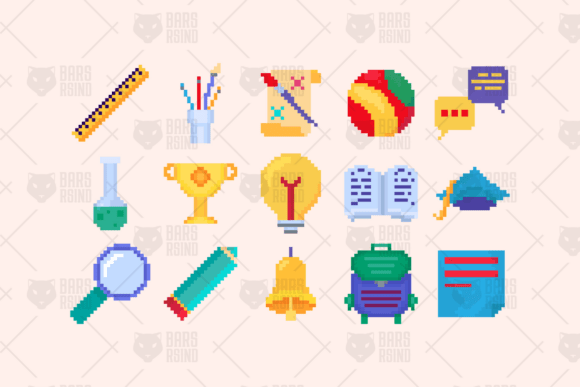
The appeal of pixel art lies in its ability to convey complex ideas with simple, blocky geometry. When applied to educational themes, this style transforms mundane objects into engaging visual cues. The collection includes a diverse array of items such as an open book, a ringing bell, a graduation cap, and a trophy cup. These are not just icons; they are narrative elements that can instantly communicate context within a user interface, a marketing campaign, or a classroom resource. By utilizing a colorful retro palette, these symbols stand out against clean, modern backgrounds, creating a dynamic contrast that draws the eye and retains attention.
Why Minimalist Retro Design Works for Education
Design trends often cycle, but the aesthetic of the 8-bit era has maintained a permanent foothold in creative industries. This enduring popularity stems from its clarity and emotional resonance. For adults aged 20 to 50, many of whom grew up during the golden age of video games, pixel art evokes a sense of familiarity and comfort. In an educational context, this nostalgia can be a powerful tool for engagement. It lowers the barrier to entry for students who might otherwise find academic materials dry or intimidating.
Furthermore, the minimal pixel detail inherent in this style ensures scalability. Unlike high-resolution photographs or overly detailed vector illustrations, pixel art remains legible even at small sizes. This makes Education Pixel Art Symbols particularly effective for UI icons where space is limited. Whether you are designing a mobile learning app or a desktop dashboard, the distinct shapes of a pencil, ruler, or magnifying glass remain recognizable without requiring zooming or excessive screen real estate. The design philosophy here is "less is more," stripping away unnecessary details to focus on the core identity of each object.
Core Elements of the Collection
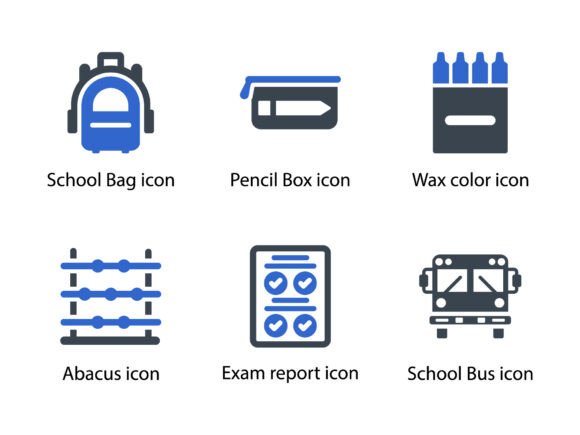
The versatility of this asset pack is defined by its comprehensive selection of subjects. Each icon serves a specific purpose while contributing to a cohesive visual system. The school bag and cup filled with stationery represent preparation and readiness, setting the stage for learning activities. Tools like the ruler, pencil, and paintbrush with paper speak directly to the act of creation and measurement, fundamental skills in any curriculum.
Beyond basic tools, the collection addresses broader educational concepts. The graduation cap and trophy cup symbolize achievement and milestones, making them perfect for gamified learning experiences or progress tracking. Intellectual curiosity is represented by the magnifying glass and chemistry flask, inviting exploration and scientific inquiry. Communication and social interaction, vital components of modern education, are captured through chat bubbles. Even physical activity is acknowledged with the inclusion of a sports ball, ensuring a holistic representation of the student experience. Finally, the light bulb serves as a universal metaphor for innovation and the spark of new ideas.
Practical Applications Across Digital Platforms
The true value of Education Pixel Art Symbols emerges when applied to real-world projects. The flexibility of the file formats provided—EPS, AI, SVG, PNG, and JPG—allows these assets to be adapted for almost any medium. For software developers and app designers, the vector files (SVG, EPS, AI) ensure crisp rendering on high-density displays, while the raster formats (PNG, JPG) offer immediate usability for web graphics.
Educational Games and Learning Apps
One of the most impactful uses for this collection is in the development of educational games. Gamification has become a staple in modern pedagogy, and pixel art is the native language of this genre. Imagine a math app where solving equations rewards the user with a trophy cup, or a science simulation where mixing virtual chemicals requires selecting the correct chemistry flask. The consistent style of the icons helps maintain immersion, preventing the jarring visual disconnect that often occurs when mismatched assets are used. The open book or notebook can serve as intuitive buttons for accessing tutorials or reference materials, guiding users through the interface with familiar visual metaphors.
Infographics and Data Visualization
For marketers and content creators, data visualization is key to conveying information effectively. Traditional charts can be dense and difficult to parse. Integrating Education Pixel Art Symbols into infographics adds a layer of visual interest that breaks up heavy text blocks. A report on literacy rates could use the open book icon to highlight reading statistics, while a section on extracurricular activities could feature the sports ball. The colorful retro palette allows these icons to pop against neutral backgrounds, directing the viewer's attention to key data points without overwhelming the layout.
Social Media and Branding
In the crowded sphere of social media, standing out is paramount. Bloggers, influencers, and small business owners in the education sector can leverage these symbols to create a distinct brand identity. Using the bell icon to announce live streams or the light bulb to share quick tips creates a recognizable visual shorthand for your audience. Because the icons are provided in PNG format with transparent backgrounds, they can be easily layered onto photos, videos, or promotional banners without awkward white boxes. This adaptability is crucial for maintaining a professional look across platforms like Instagram, LinkedIn, and Twitter.
Adapting Assets for Print and Multimedia
While digital applications are primary, the utility of Education Pixel Art Symbols extends to print media. Teachers and publishers can incorporate these icons into worksheets, flashcards, and classroom posters. The vector formats allow for resizing without loss of quality, meaning the same file document icon can appear tiny on a worksheet header or large on a classroom banner. The retro aesthetic adds a playful touch to printed materials, making them more appealing to younger students while remaining visually interesting for parents and administrators.
For multimedia projects, such as online courses or video tutorials, these symbols can be animated or used as static overlays. A course instructor might use the chat bubbles to indicate discussion sections or the pencil to mark areas for note-taking. The consistency of the style ensures that the production values remain high, regardless of the complexity of the project.
Strategies for Consistent and Effective Use
To maximize the impact of Education Pixel Art Symbols, it is essential to approach their integration with intentionality. While the collection is vibrant, overuse can lead to visual clutter. Select icons that directly support the message or function of your project. If you are designing a navigation menu, limit the choices to the most relevant symbols, such as the book for lessons and the trophy for achievements. This restraint ensures that the design remains clean and user-friendly.
Maintaining color consistency is another critical factor. Although the symbols come in a colorful retro palette, they should harmonize with your existing brand colors or the overall theme of your project. The vector formats allow you to recolor individual elements if necessary, ensuring that the graduation cap or paintbrush aligns perfectly with your site's color scheme. However, preserving the original 8-bit shading and contrast is often recommended to retain the authentic retro feel that defines the collection.
Finally, consider the context of your audience. While the pixel art style is universally recognized, the specific application should match the expectations of your users. For a serious academic journal, these icons might be best used sparingly as decorative elements. For a children's learning platform, they can take center stage as the primary visual language. By understanding the needs of your target demographic, you can deploy Education Pixel Art Symbols in ways that enhance communication, foster engagement, and bring a touch of creative nostalgia to your work.